
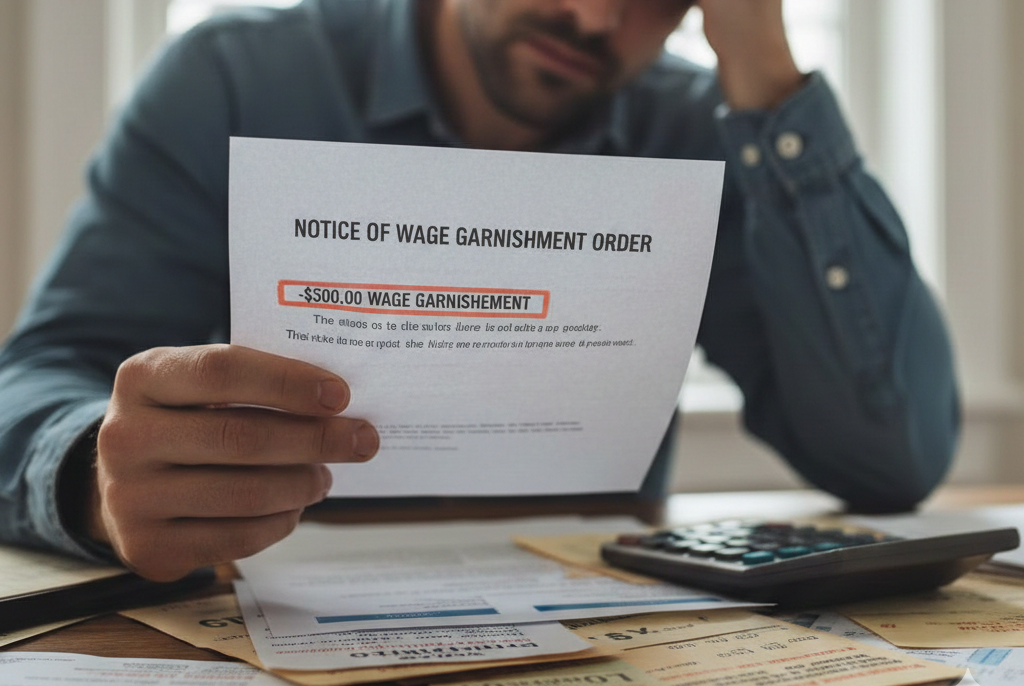
Nothing shocks taxpayers like seeing a smaller paycheck out of the blue – and if you owe taxes to the IRS, this is a significant risk. The IRS often uses wage garnishment to collect from taxpayers who don’t pay.
But wage garnishment almost never happens without a paper trail. The IRS must give advance notice before seizing your wages or any other assets. But, unfortunately, taxpayers don’t always receive IRS notices.
If you are worried a levy might be on the way, here is how the IRS levy process really works and how to stop a garnishment before it starts. To get help now, contact us at Seattle Legal Services today.
Key Takeaways
- The IRS must notify you before garnishing wages.
- The IRS wage garnishment notice is the CP90 or LT11 Final Notice of Intent to Levy.
- You have 30 days to appeal after the Final Notice is issued.
- The IRS only has to send the notice to your last known address. They do not need proof that you actually received it.
- Making proactive payment arrangements can help you avoid a garnishment.
Why Wage Garnishment Feels Sudden, Even Though the IRS Must Send Notices
Many taxpayers are shocked to see a smaller paycheck because nothing in their day-to-day life suggested the IRS was about to take action. The suddenness may feel real, but in most cases, the IRS has already mailed several notices before a levy begins. The disconnect comes from how easy it is to overlook or miss those warnings.
When you owe taxes, the first letters the IRS sends do not mention wage garnishment at all. They read like balance reminders rather than steps in a collection process, so many people set them aside without realizing the situation is escalating. By the time notices become more urgent, the account may already feel overwhelming, which makes it tempting to avoid opening new mail. Many people throw IRS notices in the trash because it’s too stressful to look at them – but to protect yourself, you should always look at your notices.
Addressing issues also plays a major role. The IRS is only required to send notices to your last known address. If you have moved, if forwarding expired, or if you rarely check a PO box, you may never see the Final Notice that gives you 30 days to act.
All of this creates a sense that garnishment happens without warning, even though the IRS followed the rules. Understanding how the notice process works helps you recognize early signs and take action before your paycheck is affected.
What Each IRS Notice Means for Your Paycheck
The exact timeline of when the IRS garnishes wages varies – the agency may garnish your wages when you’re just a few months late, or it may take a couple of years.
However, before the IRS can garnish your wages, it must send a specific sequence of notices. Each letter serves a different purpose, and only one of them gives the IRS the legal authority to move forward with a levy.
Understanding what these notices mean and where they fall in the IRS levy process helps you track how close you are to enforcement. The table below breaks down the key notices you might receive and what each one requires you to do.
IRS Notices Before Wage Garnishment
| IRS Notice | What It Means | Does It Allow Garnishment | What You Should Do |
|---|---|---|---|
| CP14 / Initial Balance Due Notice | IRS says you owe a balance. | No. This is the first warning. | Review the balance and address the issue early to prevent escalation. |
| CP501 Reminder | IRS reminds you of an unpaid tax bill. | No. | Make arrangements or contact the IRS while options are still flexible. |
| CP503 Urgent Notice | More serious warning about the unpaid balance. | No. | Respond quickly or consider reaching out to a tax attorney. |
| CP504 Intent to Levy State Refund | IRS may levy your state tax refund but not your wages. | No. | Treat this as a major warning that wage garnishment could be next. |
| CP90, LT1058, or LT11 Final Notice of Intent to Levy | Legally required notice before a wage levy begins. | Yes, after 30 days. | File an appeal or take action immediately to prevent garnishment. |
Can the IRS Ever Garnish Without Warning?
Even though the IRS must send a Final Notice of Intent to Levy before garnishing wages, some taxpayers still feel blindsided. This usually happens when the IRS mailed the required notice, but the taxpayer never saw it. The IRS is only required to send the Final Notice to your last known address. It does not need proof that you actually received the letter.
There are several common situations where this creates confusion:
- The notice was mailed to an old address because the taxpayer never updated their information with the IRS.
- Mail forwarding had expired, and the IRS sent the notice to your old address.
- A PO box was no longer in use or was not checked regularly.
- The IRS sent certified mail, but the delivery slip was misplaced or never picked up.
In all these scenarios, the IRS considers the notice properly delivered. Once the 30-day window passes, the agency can move forward with wage garnishment even if the taxpayer never opened a single letter.
This is why silence can be risky when you already owe the IRS. If you stop receiving notices or think the IRS has simply forgotten about your balance, the opposite is usually true. Unpaid taxes do not go away on their own, and ignoring the early letters increases the chance that the next communication will come through your employer rather than your mailbox.
Additionally, in cases of jeopardy levies, the IRS can garnish wages without warning – but that’s rare and typically reserved for cases that include a criminal element.
What Triggers the IRS to Move Toward a Wage Levy
The IRS does not jump straight to wage garnishment. A levy usually happens after a series of problems build up on your account. Understanding what triggers enforcement can help you spot warning signs earlier and take action before your paycheck is involved:
- Non-response: When taxpayers ignore early notices or fail to contact the IRS, the agency assumes the person is unwilling or unable to resolve the balance. That lack of communication pushes the account deeper into the collection process.
- Unpaid balance: If you continue to owe taxes from a previous year and make no payment arrangements, the IRS eventually shifts from reminding you to enforcing collection. The larger the balance and the longer it has been unpaid, the more likely the IRS is to consider a levy.
- Broken payment plans: If you had an installment agreement and missed payments or failed to stay current on future tax filings, the IRS can terminate the agreement and restart enforcement. Once a plan is no longer in place, wage garnishment becomes a real possibility.
- Unfiled returns: When tax returns are missing, the IRS may file a substitute return on your behalf, which often increases your balance and speeds up the collection timeline.
Each of these situations signals to the IRS that normal reminders are not working. At that point, the agency may begin preparing for more aggressive steps, including contacting your employer and issuing a wage levy.
How Wage Garnishment Works Once It Begins
Once the IRS initiates a wage levy, your employer is legally required to withhold part of your paycheck and send it directly to the IRS. The amount the IRS can take depends on your filing status and the number of dependents – they only have to leave a small exempt amount to cover basic living expenses.
Your employer will let you know about the garnishment before it hits your first paycheck, but at that point, it’s too late to stop the garnishment. Your only option now is to allow the garnishment to continue or contact the IRS to set up payment arrangements that stop the garnishment. A tax attorney can help you deal with the IRS.
After your employer receives the garnishment notice from the IRS, they’ll give you a form to complete so they can calculate the garnishment. If you don’t get the paperwork back within three days, your employer can calculate the garnishment using the least beneficial information possible for you, meaning the garnishment might be higher than necessary.
The garnishment continues until the IRS releases it. That can happen when the tax debt is paid in full, when you enter an approved payment plan, or when you qualify for hardship relief. Without intervention, a wage levy can remain in place for months or even years, so taking action quickly is the best way to regain control of your income.
Immediate Actions to Take Before Garnishment Begins
If you receive a levy notice or sense that garnishment is close, act quickly. Review the notice to confirm whether it is a Final Notice of Intent to Levy and check the 30-day deadline.
Contact the IRS to request a payment plan or prepare to show financial hardship. Ideally, for your own financial protection, you should reach out to a tax attorney who can step in immediately, communicate with the IRS on your behalf, and work to stop or delay enforcement.
Options to Stop or Avoid Garnishment
You can often stop or avoid wage garnishment by resolving the issue before the IRS moves forward. Here are the main tax debt resolution options:
- Payment plan: installment agreements let you make monthly payments until the debt is resolved. The IRS gives taxpayers different amounts of time to pay, based on the type of payment plan and the collection statute expiration date (the date the IRS can no longer collect that tax debt).
- Offer in Compromise: Settle tax debt for less than owed if you prove that you can’t afford to pay or if there is doubt that you really owe the liability.
- Currently not collectible status: Temporarily pause collection actions based on financial hardship.
When you receive the Final Intent Notice, you have the right to request a Collection Due Process hearing, but again, you only have 30 days to do so. Requesting a hearing stops all collection actions on your account and gives you a chance to work out payment arrangements with the IRS. You have up to a year to request an Equivalent Hearing, but that won’t stop the garnishment.
Signs You Need a Tax Attorney Right Away
You should contact a tax attorney immediately if the IRS has issued a Final Notice of Intent to Levy or if your wages are already being garnished. An attorney can communicate with the IRS for you, request appeals, negotiate payment arrangements, and work to release or reduce the levy. Acting quickly increases your chances of protecting your income and regaining control of your case.
Allow Us to Help Protect Your Income
When the IRS is closing in on your paycheck, you should not have to navigate the situation alone. Seattle Legal Services, PLLC, can step in quickly to take over communication with the IRS so you are no longer dealing with stressful calls or trying to decode confusing notices.
We look at your account, map out exactly where you stand, and determine the fastest way to stop or reduce a wage levy. That may mean filing an appeal, negotiating a payment plan, requesting currently not collectible status, or exploring a settlement if the numbers make sense. If missing returns are blocking relief, we help you get them filed so the IRS can act on your case.
Our focus is on protecting your income and giving you back a sense of control. Whether the levy is days away or already hitting your paycheck, timely guidance can make a real difference in how quickly the situation turns around.
FAQs About IRS Wage Garnishment Notices
Can the IRS levy without certified mail?
Yes. The agency must give the taxpayer notice, but can do so through certified or registered mail, in-person delivery, or leaving a notice at the taxpayer’s usual dwelling or place of work.
Can a levy be removed the same day?
In some cases, yes, but it requires fast action. A same-day levy release is typically possible only when there is a clear IRS error, when the levy creates an immediate economic hardship, if it’s outside of the usual 10-year collection period, or when you have already taken steps to resolve the debt and can provide proof.
While same-day releases are not common, they can happen with the right documentation and direct communication. A tax attorney can greatly increase the chances of a rapid release when time is critical.
What if the IRS sent notices to an old address?
The IRS relies on the last known address in its system, which is usually the address on your most recently filed tax return. If you moved and did not update your address with Form 8822 or a recent return, the IRS will continue sending notices to the old location. Even if forwarding expired or the mail was never delivered, the IRS still considers the notice valid. If you suspect you missed important letters, it is crucial to act quickly. Contacting the IRS or a tax professional can help you determine your status and prevent further enforcement.